Alcohol addiction. Soultions
- Sumanas Counselling Centre

- May 22, 2024
- 2 min read
What is alcohol addiction?
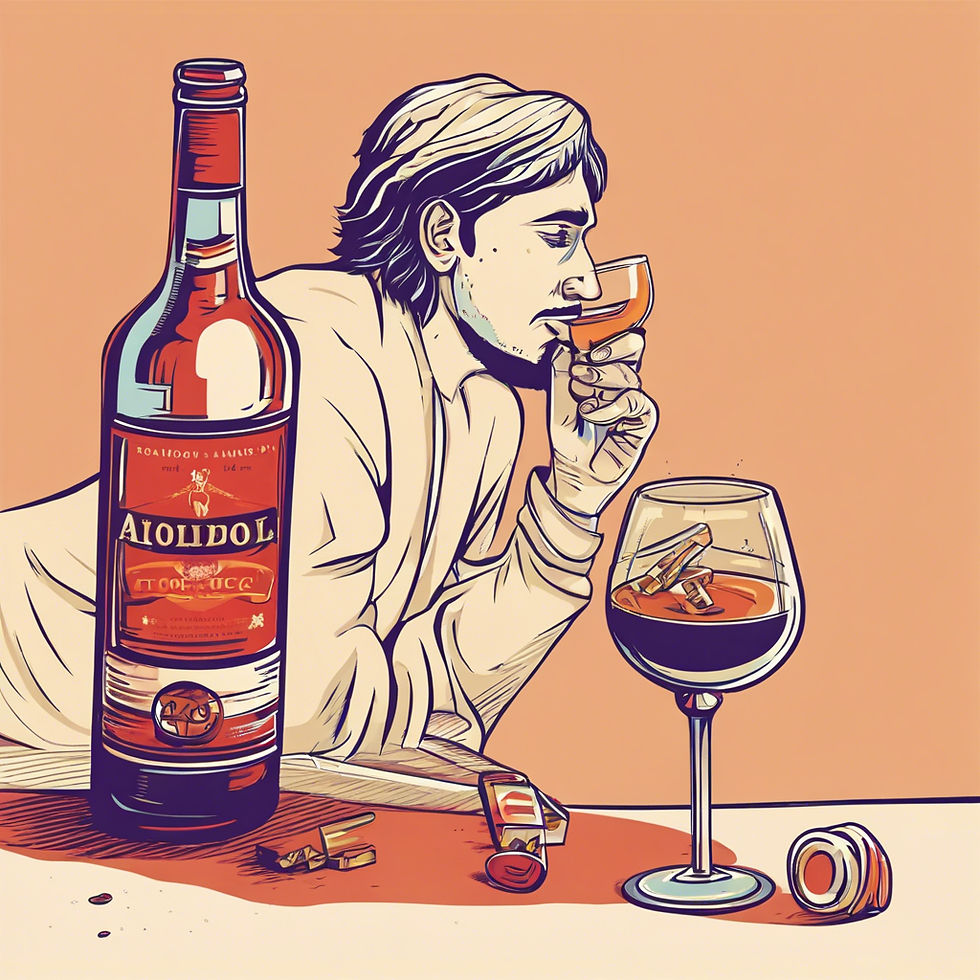
Alcohol addiction, or alcoholism, is a chronic disease characterized by an inability to control drinking due to both a physical and emotional dependence on alcohol.
What are the signs of alcohol addiction?
Symptoms include an inability to limit drinking, developing a high tolerance, experiencing withdrawal symptoms, and neglecting responsibilities due to drinking.
What causes alcohol addiction?
Causes can include genetic predisposition, social and environmental factors, mental health conditions, and early exposure to drinking.
How does alcohol addiction affect physical and mental health?
It can lead to liver disease, heart problems, cognitive impairments, depression, and anxiety.
How can alcohol addiction impact relationships and social life?
Alcohol addiction often strains relationships with family and friends, leading to social isolation and conflicts.
Can alcohol addiction be treated?
Yes, through a combination of detoxification, medication, therapy, and support groups.
What types of therapy are effective for alcohol addiction?
Cognitive-behavioral therapy (CBT), motivational interviewing, and family therapy are commonly effective.
What role do support groups play in recovery from alcohol addiction?
Groups like Alcoholics Anonymous (AA) provide community, accountability, and shared experiences, which are crucial for long-term recovery.
How can one prevent relapse after overcoming alcohol addiction?
Strategies include maintaining a strong support network, continuing therapy, avoiding triggers, and adopting a healthy lifestyle.
What resources are available for someone struggling with alcohol addiction?
Resources include addiction helplines, rehab centers, counseling services, and online support communities.
Solutions
Seek Professional Help:
Consult healthcare providers who specialize in addiction to get a personalized treatment plan, which may include detoxification, medication, and therapy.
Medication-Assisted Treatment (MAT):
Use medications like disulfiram, naltrexone, or acamprosate to reduce cravings and manage withdrawal symptoms. Do it as per the medical doctor's advice.
Therapy and Counseling:
Engage in various forms of therapy, such as CBT, to address underlying psychological issues and develop coping strategies.
Join Support Groups:
Participate in support groups like AA to share experiences, gain support, and stay motivated in recovery.
Develop Healthy Coping Mechanisms:
Replace drinking with healthy activities such as exercise, hobbies, or spending time with loved ones to reduce stress and manage emotions.
Create an Alcohol-Free Environment:
Remove any alcohol and triggers from your living space and surround yourself with supportive, sober individuals.
Educate Yourself:
Learn about the dangers and effects of alcohol abuse and the benefits of living a sober life to reinforce your commitment to recovery.
Stay Busy and Productive:
Engage in activities such as volunteering, working, or pursuing education to keep your mind occupied and away from drinking.
Regularly Reflect and Journal:
Keep a journal to track your progress, reflect on triggers, and recognize patterns that need addressing, helping to stay focused on recovery.
Build a Strong Support Network:
Cultivate relationships with family, friends, and mentors who encourage and support your journey towards a sober life.
Addressing alcohol addiction requires a comprehensive approach involving medical treatment, psychological support, and lifestyle changes. Recognizing the problem is the first crucial step towards recovery and a healthier, more fulfilling life.


Comments